

You’ve got a pest problem, we’ve got you covered, and here’s how.
Here are the standard pests we cover, our treatment covers a range of pests, so if you don’t see your pest-problem listed here, please give us a call, send us a live chat, or reach out and we can confirm the treatment plan for that particular pest.
We don’t believe in “spray and hope.”
Every treatment we provide is designed to target the pest, interrupt the lifecycle, and leave ongoing protection in place.
If you would like information on Termites you can find it here.
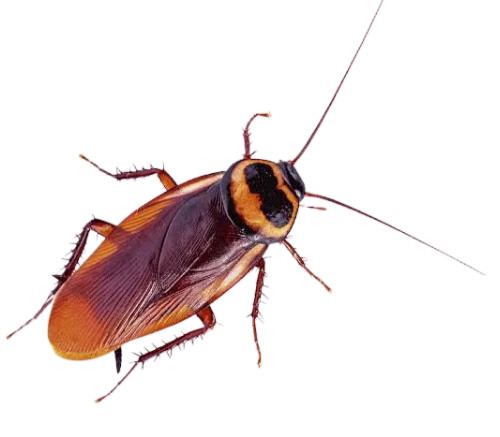
Cockroaches (American, Australian & general species)
How do we treat them?
A broad-spectrum residual insecticide is applied to internal and external surfaces, focusing on known harbourage zones, entry points, and movement pathways
Targeted gel baits are placed in strategic locations to draw cockroaches out of concealed harbourage areas
These baits utilise a transfer (secondary kill) effect, allowing the active ingredient to be distributed throughout the population, including nymphs and individuals within the nest
The residual layer remains active, ensuring that any new cockroach entering the environment is exposed prior to establishing
What treatment do we advise?
Except in the case of extreme infestation, we would suggest our General Pest Spray to treat these guys, alongside any other standard pests
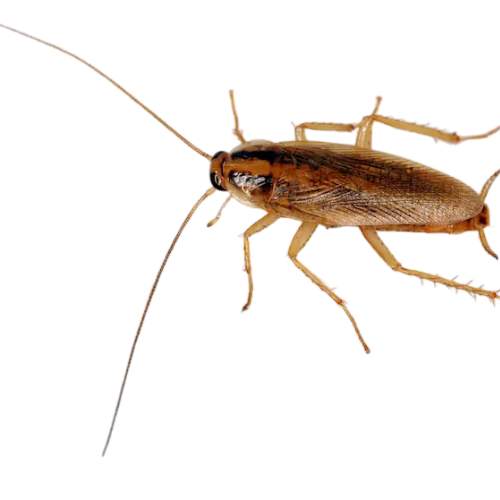
German Cockroaches (Blattella germanica)
How do we treat them?
Due to their rapid reproductive cycle a follow-up treatment at approximately 6 weeks may be required
Treatment involves a combination of residual insecticide application and precision gel baiting
Gel baits are used to attract individuals out of harbourage areas, facilitating ingestion and transfer throughout the colony
The secondary treatment targets newly emerged nymphs that were protected within egg cases (oothecae) at the time of initial treatment
The objective is to interrupt the lifecycle before reproductive maturity is reached, preventing re-establishment
Residual protection remains in place to control any future incursions
What treatment do we advise?
We would suggest our Premium Pest Spray to treat these guys, this way you get both treatments included!
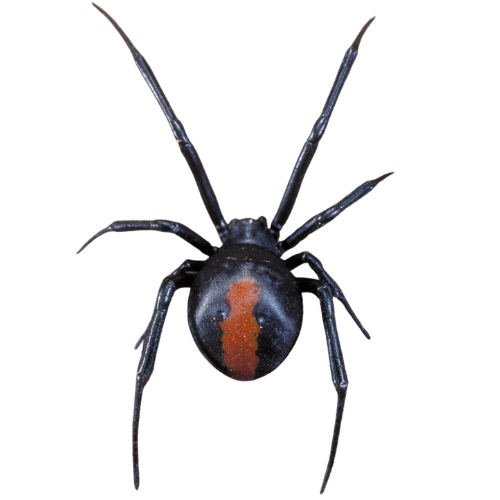
Web-dwelling Spiders (Redbacks, garden spiders and similar)
How do we treat them?
Active webs are directly treated, ensuring immediate control of spiders occupying the web
Surrounding surfaces are treated with a residual insecticide, targeting web attachment points and adjacent harbourage zones
This creates an environment where subsequent web formation results in exposure to the treatment
* Retaining webs prior to treatment allows for more effective direct application
What treatment do we advise?
Except in the case of extreme infestation, we would suggest our General Pest Spray to treat these guys, alongside any other standard pests.
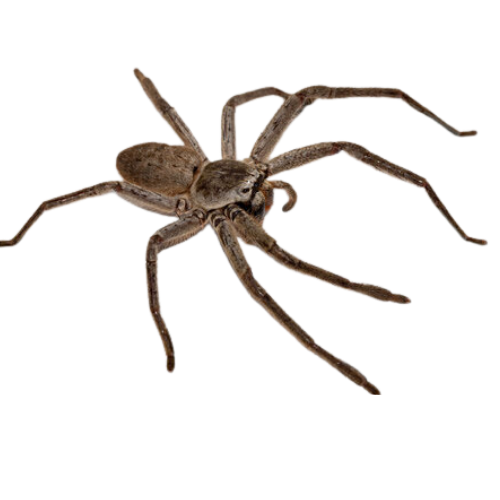
Roaming Spiders (Huntsman and similar species)
How do we treat them?
Residual insecticide is applied to internal and external surfaces, including likely resting and transit areas
Roaming spiders are affected via:
Direct contact with treated surfaces
Secondary ingestion through preying on treated insects
Due to their physiology and behaviour:
Huntsman spiders have limited body contact with treated surfaces, reducing immediate uptake
As a result, control is typically progressive rather than immediate
Increased visibility may occur as prey availability declines and spiders move in search of alternative food sources
Population reduction is generally observed over an 8–10 week period
What treatment do we advise?
Except in the case of extreme infestation, we would suggest our General Pest Spray to treat these guys, alongside any other standard pests.
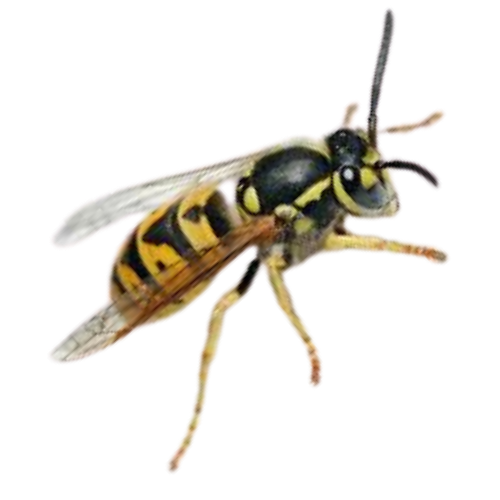
European Wasps (Vespula germanica)
How do we treat them?
Nests are directly treated using a targeted insecticidal application, designed to eliminate both worker population and the queen
Treatments are conducted during low-activity periods (dusk or dawn) to minimise risk and maximise exposure within the nest
Once the colony is inactive, nests may be safely removed after approximately 48 hours
What treatment do we advise?
Except in the case of extreme infestation, we would suggest our General Pest Spray to treat these guys, alongside any other standard pests. Please make sure you let us know about the wasps before the treatment!
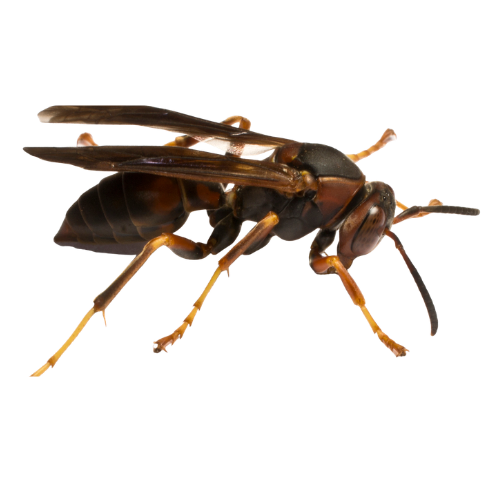
Paper Wasps and Similar Species
How do we treat them?
Nests are directly treated to eliminate active individuals and the queen
Residual activity assists in controlling returning individuals
Nests may be removed after 48 hours once confirmed inactive
What treatment do we advise?
Except in the case of extreme infestation, we would suggest our General Pest Spray to treat these guys, alongside any other standard pests. Please let us know about the wasps before we get there!
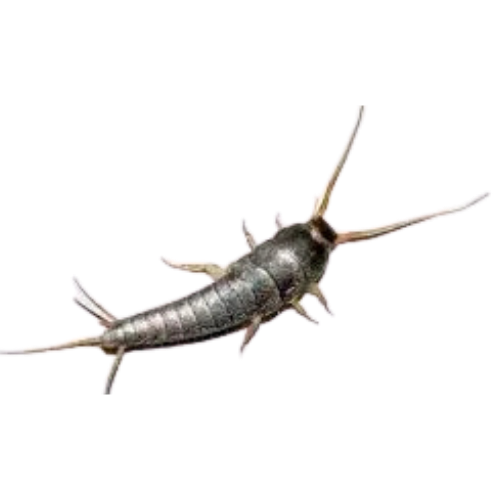
Silverfish
How do we treat them?
A comprehensive internal residual treatment is applied using a no-gap approach to ensure coverage of skirting boards, cracks, and harbourage zones.
Non-spray (dust or alternative) treatments are used in sensitive or restricted areas
Residual activity continues to control silverfish as they move through treated zones
What treatment do we advise?
Except in the case of extreme infestation, we would suggest our General Pest Spray to treat these guys, alongside any other standard pests.
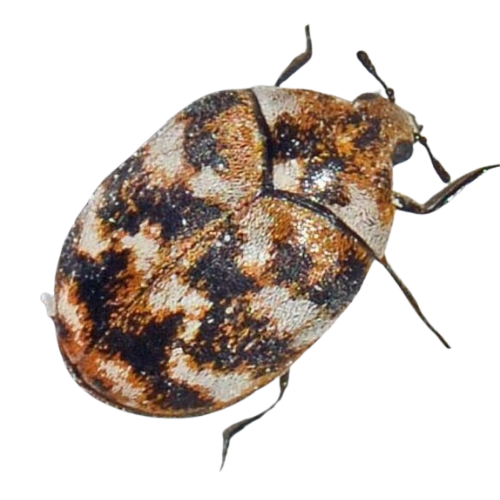
Carpet Beetles (Dermestidae)
How do we treat them?
Residual insecticide is applied to internal areas, targeting skirting, carpet edges, and harbourage zones
Pre-treatment vacuuming is recommended to:
Disturb larvae
Remove organic material
Improve treatment penetration
Where infestation is present:
A follow-up treatment may be required to target newly hatched larvae and ensure lifecycle disruption
What treatment do we advise?
If you feel the level of activity is extreme, we would suggest our Premium Pest Spray , if you’ve just seen a few here and there, you could book the General Pest Spray, this will treat these guys alongside any other standard pests.
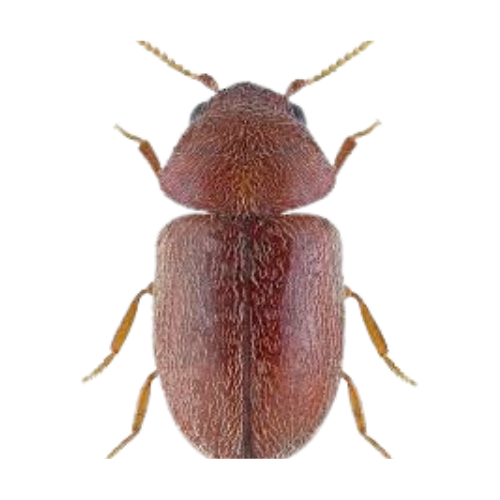
Cigarette Beetles (Lasioderma Serricorne)
How do we treat them?
Internal residual treatment is applied to affected and surrounding areas
Non-spray treatments are utilised in sensitive zones (e.g. food storage areas)
Ongoing exposure to treated surfaces results in progressive population decline
In established infestations:
*A secondary treatment may be required to break the lifecycle an infestation is present
What treatment do we advise?
If you feel the level of activity is extreme, we would suggest our Premium Pest Spray , if you’ve just seen a few here and there, you could book the General Pest Spray, this will treat these guys alongside any other standard pests.
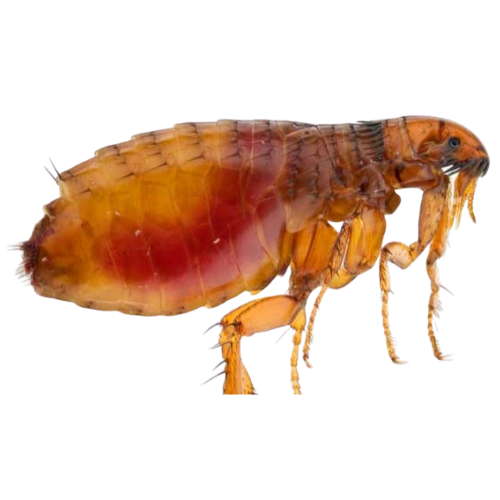
Fleas
How do we treat them?
Residual insecticide is applied to internal flooring, carpets, and soft furnishing contact zones
Pre-treatment vacuuming is strongly recommended to:
Stimulate flea emergence from pupal stages
Improve treatment effectiveness
Due to the flea lifecycle:
Multiple treatments (up to 3–4 applications) may be required in moderate to severe infestations
The objective is to target each stage of the lifecycle as it emerges
What treatment do we advise?
Unless you feel the activity is extreme, we would suggest our General Pest Spray to treat these guys alongside any other standard pests.
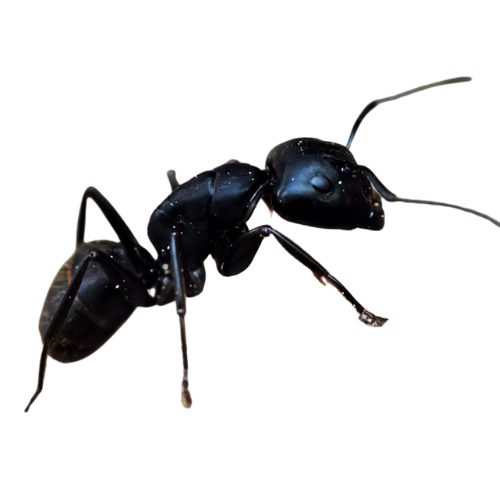
Ants
How do we treat them?
Ant management requires a structured, multi-stage approach due to colony behaviour:
Stage 1: Targeted baiting
Baits attract worker ants, which transport the active ingredient back to the colony
This allows the treatment to reach the queen and brood, initiating colony collapse
Stage 2: Residual treatment (2–4 weeks later)
Applied to eliminate remaining activity and provide ongoing surface protection
In areas with high external pressure:
Reinvasion from neighbouring properties or surrounding environments is common
In these cases, an ongoing management program is recommended to maintain long-term control
What treatment do we advise?
To ensure the colony is treated effectively, we would suggest our Premium Pest Spray , if you’ve just seen a few here and there, you could book the General Pest Spray, however, we may advise that you need to upgrade on arrival.
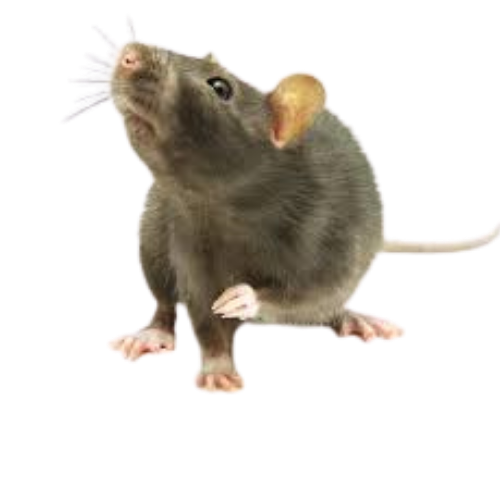
Rodents
How do we treat them?
Read more about Rodents here
Full inspection and assessment
We identify entry points, activity areas and risks to prevent future rodent returnsTailored treatment plan
Custom strategies using safe, effective rodent control methodsAdvanced baiting
Our tamper proof professional grade stations, strategically placed for maximum effectiveness and minimal disruptionHome protection
Our treatment method encourages rodents to leave your property before the treatment takes hold. This means, you won't find them in any walls, voids, or hard to reach placesRodents are smart and can often avoid treatment, which is why we trick them into taking the treatment. If your rodent is a smarty-pants and hasn’t vacated within 7–14 days we return to change the approach. Plus, you can keep the stations and top-up throughout the year for just $110, or free top-ups with your annual pest control
What treatment do we advise?
Our Rodent Treatment will be the perfect treatment here, if you also need a pest control, you could book our General Pest and Rodent Treatment all in one, or even our Premium Plus, which includes the Pest Treatment, Rodent Treatment and Termite Inspection.