

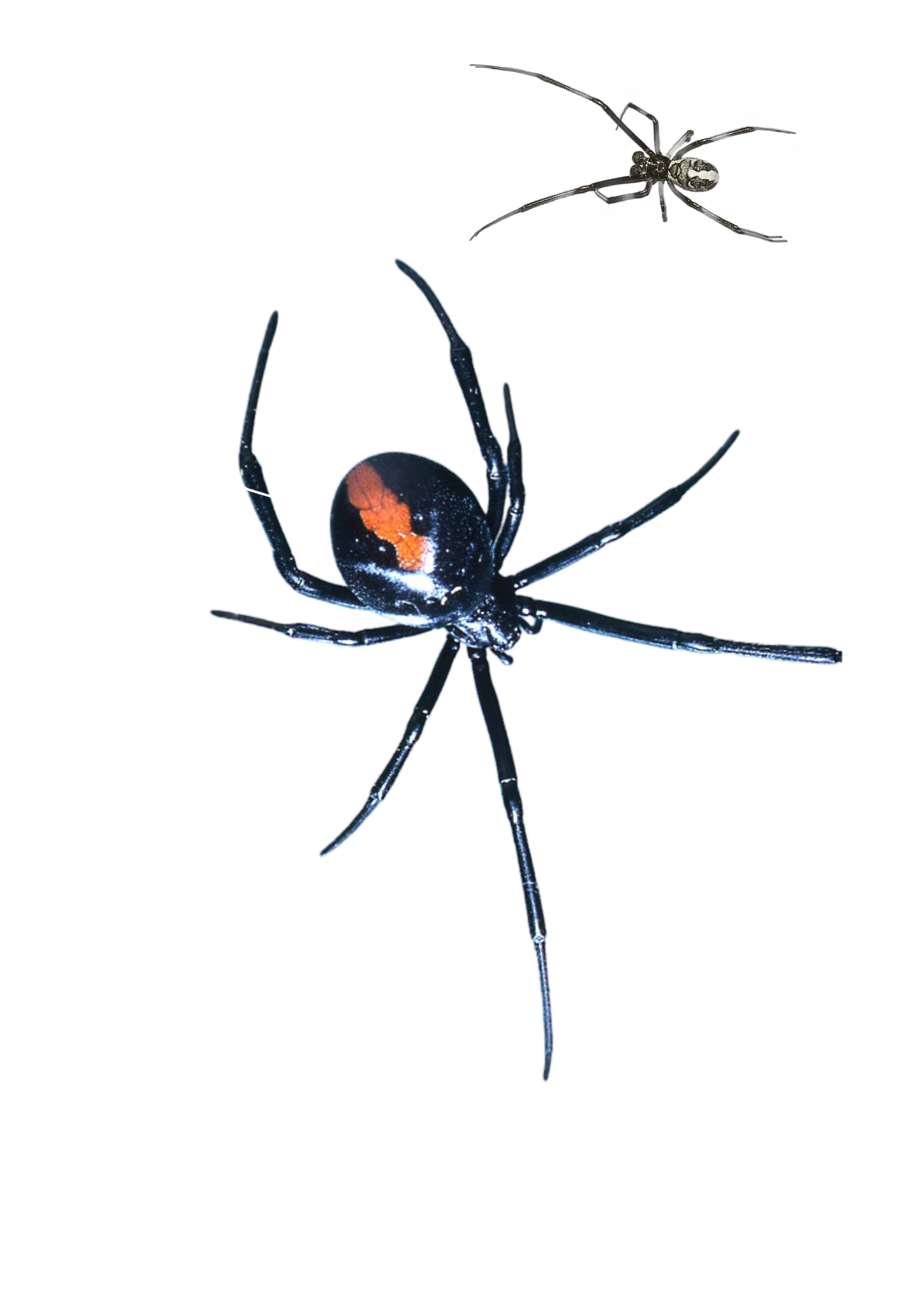
The Redback Spider
Ah, the Australian backyard. A place of sunshine, barbecues, and… tiny venomous spiders that look like they’re dressed for a halloween night out. Enter the redback spider…small, shiny, and packing enough attitude to make you rethink blindly reaching under outdoor furniture.
Before you swear off your garden forever, don’t worry as redbacks aren’t out to get you. But they are worth understanding. So here’s your cheeky, easy-to-digest guide to redbacks, what they are, where they hide, and what you should do if you find yourself co-habitating with them.
The redback spider is one of Australia’s most recognisable creepy crawlies. You’ll know it by:
A shiny black body
A distinctive red stripe on its back (very on-brand naming)
A general vibe of “please don’t touch me”
They’re related to black widows, which should immediately tell you: yes, they’re venomous. But also no, they’re not lurking around plotting your downfall.
Should You Be Worried?
Redbacks can bite, and their venom can cause significant discomfort. However:
Bites are rarely life-threatening if treated quickly
There’s effective treatment available
Redbacks are not aggressive unless disturbed
In other words, leave them alone until a pest technician can come and help you out, they won’t hunt you down.
Where Redbacks Love to Hang Out
Redbacks are not fans of open spaces or being perceived. They prefer dark, sheltered spots where they can build their messy little webs in peace. Unfortunately, this makes you an unwilling victim if you don’t check these spots properly.
Common hiding spots include:
Under outdoor furniture
Inside garden sheds
Around pot plants
Under rocks or logs
In garages and cluttered areas
Inside shoes left outside (yes, really, check your shoes)
Basically, if it’s quiet, shaded, and undisturbed, it’s prime redback real estate.
How to Spot a Redback Web
Unlike those neat, symmetrical spider webs you see in cartoons, redback webs are… chaotic.
Think:
Messy, tangled silk
No clear pattern
Usually close to the ground
Often with a retreat area where the spider hides
If the web looks like it was built during a mild panic, you might be onto something.
Signs You Might Have Redbacks Nearby
You might not always see the spider itself, but here are some clues:
Messy webs in sheltered corners
Egg sacs (small, round, off-white balls)
Increased insect activity caught in webs
Spotting the spider at night (they’re more active then)
Again, no need to panic but definitely don’t go poking around with bare hands.
Tips to Keep Redbacks Away
You don’t need to wage war on your garden. A few simple habits can make your space far less appealing to these eight-legged tenants.
Keep Things Tidy-ish
Redbacks love clutter. Less clutter means fewer hiding spots.
Clear out unused items in sheds and garages
Avoid leaving piles of wood, bricks, or junk lying around
Keep storage areas organised
Be Smart with Outdoor Furniture
Regularly check under chairs, tables, and BBQs
Give things a quick shake before sitting
Avoid letting furniture sit untouched for long periods
The Golden Rule…Check Your Shoes
If your shoes live outside:
Shake them out before wearing
Store them upside down if possible
It takes two seconds and could save you a very unpleasant surprise.
What to Do If You See One
First instinct might be to grab a shoe and go full action hero but first pause and take a big breath.
Better approach:
Keep your distance
Avoid sudden movements
Use a long object if you need to remove it
Call a pest professional who can safely treat the spider with no consequences to you (That’s our cue!)
What Happens If You Get Bitten By a Redback Spider?
A redback bite can cause:
Localised pain (often intense)
Sweating
Nausea
Muscle aches
What to do:
Stay calm (easier said than done, but important to ensure the venom doesn’t spread faster)
Apply an ice pack to the area for up to 20 minutes
Seek medical advice, especially if symptoms worsen or the bitten individual is a child or elderly
Don’t ignore it, but also don’t assume the worst.
Fun (and Slightly Unhinged) Redback Facts
Female redbacks are the ones to watch, males are much smaller and less dangerous
Males sometimes sacrifice themselves during mating (yes, it’s as dramatic as it sounds)
They can survive for months without food
Their venom is designed to immobilise prey quickly
Coexisting Without Constant Paranoia
Here’s the honest truth, if you live in Australia, completely avoiding spiders isn’t realistic. But living in fear of every shadow? Also unnecessary.
The goal is balance:
Stay aware, not anxious
Take simple precautions
Respect their space
Redbacks aren’t out here trying to ruin your day, they just want a quiet corner and the occasional insect snack.
Respect the Red Stripe
So next time you’re out in the backyard, enjoying the sun, just remember…
Quick shoe check.
Casual glance under the chair.
And maybe don’t stick your hand into dark corners like you’re starring in a survival documentary.
How we treat Redbacks and web-dwelling spiders
Comprehensive identification of web activity
We locate and assess spider webs both internally and externally to determine active zones and species behaviour patternsTargeted inspection of harbourage areas
We inspect cluttered, undisturbed, and high-probability hiding locations to identify spiders, egg sacs, and secondary webbing that may otherwise be missed.Deliberate disturbance to improve treatment efficacy
By disturbing harbourage zones, we encourage spiders to move from concealed positions, increasing their exposure to treatment.Direct web and harbourage treatment
Active webs are treated with a professional-grade residual insecticide, designed to eliminate spiders present within the web typically within 24 hours.Full perimeter and internal residual application
A broad residual treatment is applied across internal and external surfaces, targeting common entry points, pathways, and resting areas.Residual barrier protection
Spiders that are not directly treated, or that enter the property post-treatment, will encounter the residual layer while establishing new webs or harbourage, resulting in control.Secondary control through prey reduction
As spiders consume other pests that have come into contact with the treatment, this provides an additional pathway for control.Ongoing protective coverage
The residual treatment remains active over time, continuing to protect the property against new spider activity and re-establishment.