

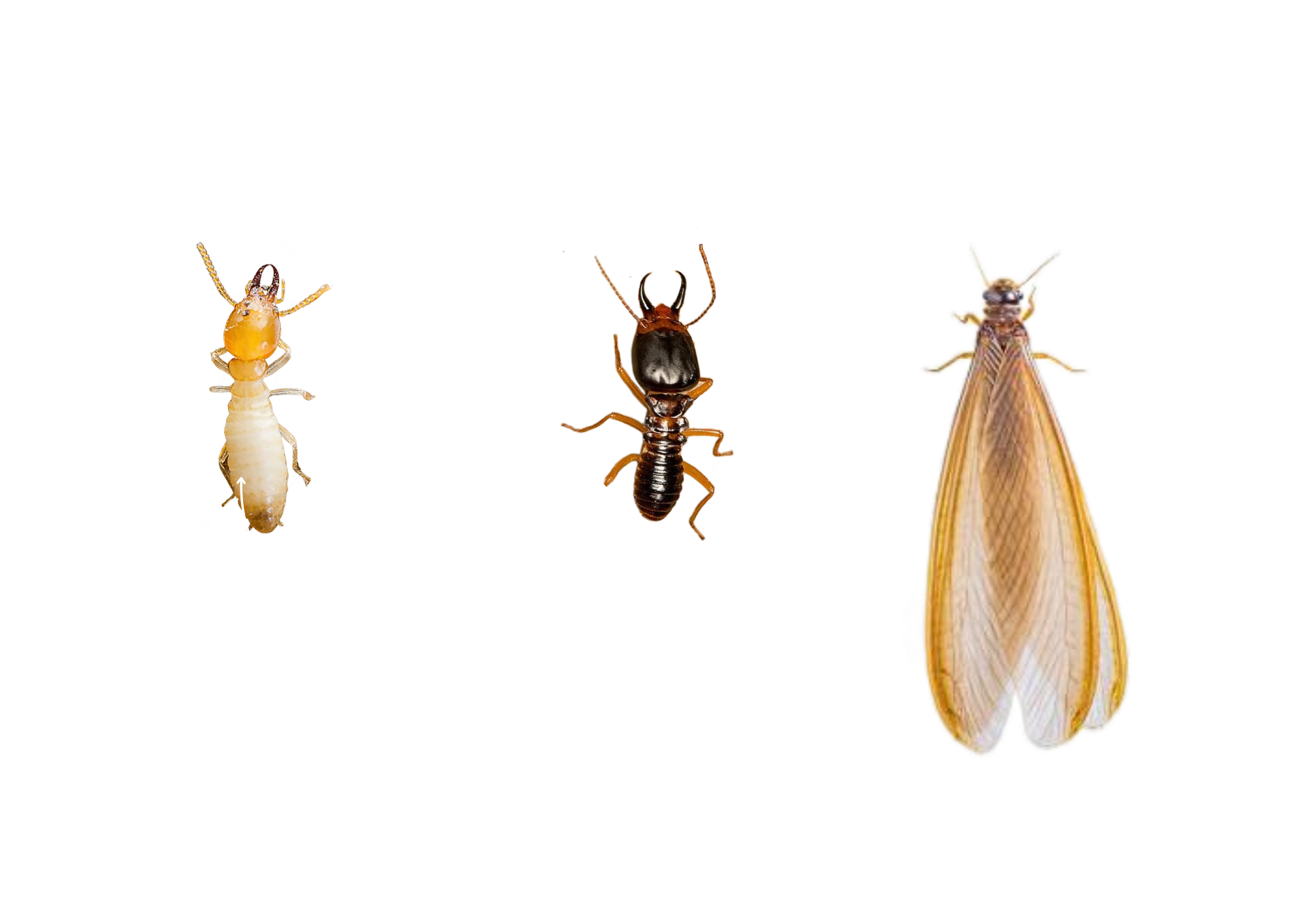
Termites
Oh no, I think I have Termites.
Why Termites Are a Big Deal
Here’s the thing, termites don’t just nibble and move on. They commit.
A well-established colony can cause serious structural damage before you even realise they’re there. They work quietly, often inside walls or underground, meaning you won’t hear them crunching away like some kind of horror movie snack scene.
What makes them especially sneaky:
1 in 3 Queensland houses have termites…(don’t freak out)
They eat wood from the inside out
Damage often isn’t visible until it’s advanced
Colonies can number in the hundreds of thousands (yes, really)
Signs You Might Have Termites
Before you panic and start knocking on every wall, here are some common signs to look for:
Hollow-sounding wood when tapped
Mud tubes along walls or foundations (termite highways)
Discarded wings near windows or doors
Tight-fitting doors or windows (they can warp frames)
Bubbling or peeling paint that looks like water damage
If you notice one of these, it doesn’t automatically mean you’re under full termite siege but it’s worth checking out.
Types of Termites:
Not all termites are created equal. The two main types you’ll hear about:
1. Subterranean Termites
These are the big troublemakers.
Live underground
Build mud tunnels to access food
Need moisture to survive
Responsible for most structural damage
2. Drywood Termites
A bit more independent.
Live directly inside wood
Don’t need soil contact
Harder to detect early
Basically, subterranean termites are the organised crime syndicate, and drywood termites are the quiet loners doing their own thing.
Why Your Home Might Be Attractive to Termites
Not to victim-blame your house, but termites do have preferences. They’re drawn to environments that make life easy.
Top termite magnets:
Moisture (leaky pipes, poor drainage)
Wood in contact with soil
Dark, undisturbed areas
Stored timber or cardboard
Poor ventilation
If your home ticks a few of these boxes, it’s basically rolling out the red carpet. In a termite inspection, even if your home is termite-free, we’ll highlight these concerns in your report for you to look at fixing up to protect our home.
Simple Tips to Keep Termites Away
Good news: you don’t need to become a termite expert to reduce your risk. A few practical habits go a long way.
Around the House
Get an annual termite inspection, this will let you know if you are at risk
Ensure your home has a prevention systems such as baiting or a chemical barrier
Keep timber and mulch away from your home’s foundation
Fix leaks promptly (termite hydration station = bad)
Ensure proper drainage around your property
Avoid stacking firewood against walls
Ventilation & Maintenance
Improve airflow in crawl spaces and under floors
Regularly inspect wooden structures
Seal cracks in walls and foundations
Storage Smarts
Store cardboard boxes off the ground
Use plastic storage bins instead of paper-based ones
Keep storage areas dry and well-lit
What to Do If You Suspect Termites
First: don’t panic and start ripping up floorboards. That tends to make things worse (and so much more expensive).
Instead:
Avoid disturbing the area too much
Take note of what you’re seeing
Keep an eye out for a nest and point it out to your pest professional
Call a licensed pest professional (Hey there!)
Termite treatment isn’t a DIY situation. These colonies are complex, and improper handling can cause them to relocate and spread.
Fun (and Slightly Wild) Termite Facts
Because we can’t spend all this time talking about termites without appreciating how bizarre they are:
Termite queens can live for over a decade and lay thousands of eggs per day
Some termite species build massive mounds that regulate temperature like natural air-conditioning
They’re actually important for ecosystems, breaking down dead wood and recycling nutrients
Their gut microbes can digest cellulose, something humans can’t do
So yes, they’re destructive in homes but in the wild, they’re basically nature’s cleanup crew.
Termites are one of those things that are easy to ignore… until you really can’t. The key isn’t to live in fear of them, but to stay aware and take simple preventative steps.
If you’ve ever owned a home, you’ve probably had at least one mildly paranoid thought along the lines of: “What if something is secretly eating my house?” Well… not to alarm you, but that “something” could very well be termites.
Before you start side-eyeing your floorboards, let’s get into it. Honestly these little guys are equal parts fascinating and mildly terrifying. So here’s your easy, no-stress guide to termites: what they are, why they matter, and how to keep them from turning your home into an all-you-can-eat buffet.
So… What Even Are Termites?
Termites are small, soft-bodied insects that live in highly organised colonies. Think ants…but with a serious obsession with wood and a much worse reputation in real estate circles.
They feed on cellulose, which is found in wood, paper, and plant materials. Unfortunately for us, that includes things like:
Timber beams
Flooring
Furniture
Cardboard boxes
Even our books in the bookshelf (rude)
And unlike your average pest, termites don’t just wander in solo, they bring the whole extended family.